
The Southern Sierra region is a fascinating area that has seen significant changes in housing trends over the years. With its unique landscape and vibrant communities, understanding market trends in housing estates here is essential for buyers, sellers, and investors alike. In this blog, we’ll explore the factors influencing these trends and what they mean for the future of housing in the Southern Sierra.
The Unique Appeal of Housing Estates in the Southern Sierra
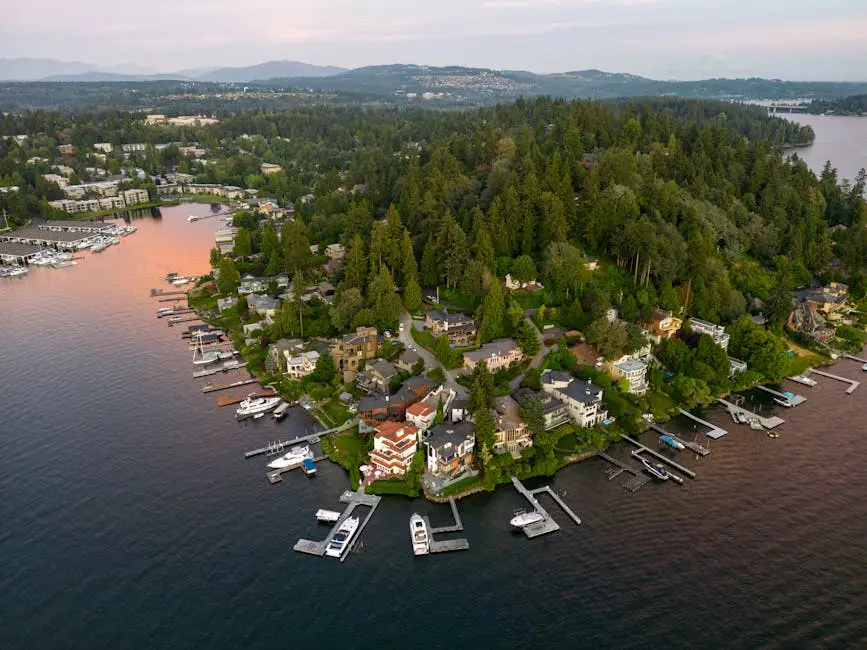
Housing estates in the Southern Sierra are not just about homes; they’re about lifestyle. The region’s breathtaking views, outdoor activities, and community spirit draw many buyers looking for more than just a place to live.
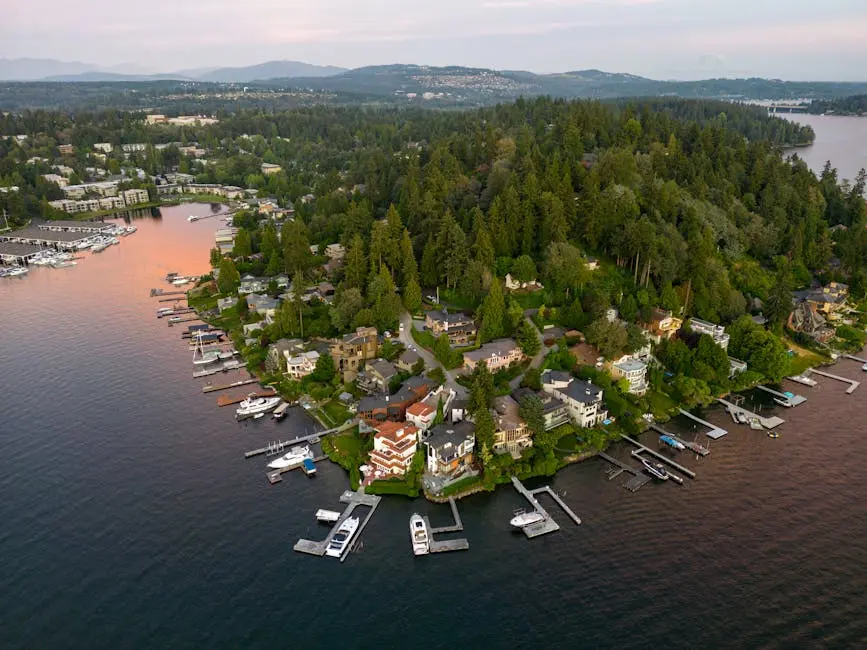
Nestled among the pine trees and rolling hills, these estates foster a sense of belonging that many city dwellers find refreshing. Families are drawn here for the safe, welcoming environment that allows children to explore and make lifelong friends. The accessibility of hiking trails and lakes enhances the attractiveness, providing countless opportunities for adventure just outside your doorstep.
Moreover, the architectural diversity in these housing estates has become a significant selling point. From modern eco-friendly designs to rustic cabins that blend seamlessly with the surroundings, there is something for everyone. This variety not only caters to different tastes but also encourages community bonding, as residents often gather to celebrate local traditions and seasonal events.
Current Market Trends Shaping Housing Estates
In recent years, the Southern Sierra has experienced shifts towards eco-friendly housing, greater demand for outdoor spaces, and a movement towards multi-generational homes. These trends are reshaping the landscape of housing estates in this area.
One noticeable trend is the increasing interest in sustainability. Buyers today are more environmentally conscious and prefer homes that align with their values. This means more solar panels, energy-efficient appliances, and sustainable building materials. Developers are embracing these changes by creating green spaces within estates, ensuring that nature remains at the forefront of community design.
Additionally, the pandemic has changed how we think about our living spaces. A shift towards homes with dedicated workspaces or larger yards has gained ground as more people work remotely. Families are looking for houses that accommodate their new lifestyles. This search for improved functionality, along with a desire for outdoor enjoyment, has transformed the very essence of housing estates in the Southern Sierra.
As these trends continue to unfold, it’s clear that housing estates must adapt to meet the evolving needs of their residents. With an emphasis on outdoor amenities like parks and community gardens, estates are becoming not just places to live but also hubs of recreational activities. The future of housing in this beautiful region looks promising, with potential for even more innovative designs responding to buyer preferences.
Economic Factors Impacting Housing Choices
Understanding the economic factors that affect the housing market is crucial. We’ll examine interest rates, job growth, and regional economic changes that inspire buyers’ confidence and influence market dynamics.
Interest rates play a pivotal role in shaping buyer behavior. When rates are low, as we’ve seen over the past few years, potential homeowners feel encouraged to enter the market, believing that now is the time to buy. This surge in demand can lead to brisk sales in housing estates; however, it can also create shortages, driving up prices. For many would-be homeowners, affordability becomes a significant hurdle.
Job growth in the Southern Sierra is another essential factor influencing housing choices. As more businesses choose to set up shop in this picturesque area, the local economy strengthens, and more jobs become available. This increase in employment opportunities attracts new residents eager to be part of the action, leading to further demand for housing. Simply put, where there are jobs, there are homes being pursued, reflecting the intricate relationship between the economy and housing market.
Moreover, understanding regional economic changes—such as fluctuations in tourism or shifts in local industries—can provide insight into housing market trends. For example, increased tourism can boost local businesses, yet it can also inflate housing prices, making it necessary for advocates to promote affordable housing initiatives to ensure the diverse economic fabric of the community remains intact.
Local Community Developments and Their Influence
Community development projects, including new schools and recreational facilities, can enhance property values and attract new residents. We’ll look at recent projects and their impact on housing estates.
Investments in infrastructure are essential drivers of real estate growth. For instance, the recent establishment of a new library and community center has provided residents with more opportunities for engagement. Such additions not only create hubs for social interaction but also contribute to overall community satisfaction. When families see that their locality offers valuable resources, they are more inclined to make the Southern Sierra their home.
When new schools are built or existing ones renovated, it immediately raises the profile of the neighborhood. Parents prioritize education when choosing where to live, so proximity to reputable schools makes housing estates significantly more desirable. Consequently, even those outside the immediate area may look to purchase homes within these thriving communities for access to quality education.
Recreational development, such as new parks, hiking trails, and sports facilities, also plays a crucial role. The outdoor lifestyle in the Southern Sierra is a major selling point, and improvements in these areas cater to the energetic spirit that residents cherish. Families appreciate spaces where their children can play, adults can exercise, and neighbors can come together—all of which foster a sense of community.
Future Outlook for Housing Estates in the Southern Sierra
What does the future hold for housing estates in this picturesque region? We’ll discuss expert predictions and potential investment areas that could change the landscape over the next decade.
Experts assert that the Southern Sierra holds significant potential for future growth, especially as more people discover its charm. The ongoing appeal of remote work and outdoor living continues to draw individuals to the area, indicating a robust demand for housing estates. This trend of seeking solace and connection with nature will likely influence future housing designs, which will reflect the residents’ desire for balance between modern amenities and environmental beauty.
Another factor to consider is the potential for further commercial development. As businesses thrive and new investments pour in, the local economy will strengthen, prompting housing developers to keep pace with demand. This surge could lead to more innovative and affordable housing solutions, ensuring that everyone can find their slice of paradise in the Southern Sierra.
In conclusion, the future looks promising for those eyeing opportunities in housing estates. With a mix of strategic developments, community engagement, and an unwavering love for the area’s natural beauty, the Southern Sierra will undoubtedly remain an attractive option for homebuyers and investors alike. As trends evolve, staying informed will empower individuals to make the best choices in this ever-changing market.
Key Takeaways on Housing Market Trends
As we’ve seen, the housing market in the Southern Sierra is influenced by a variety of factors ranging from economic conditions to community developments. By staying informed about these trends, prospective homeowners and investors can make better decisions that align with their goals. The Southern Sierra continues to evolve, and with its beauty and opportunities, it promises to be a dynamic market for years to come.