
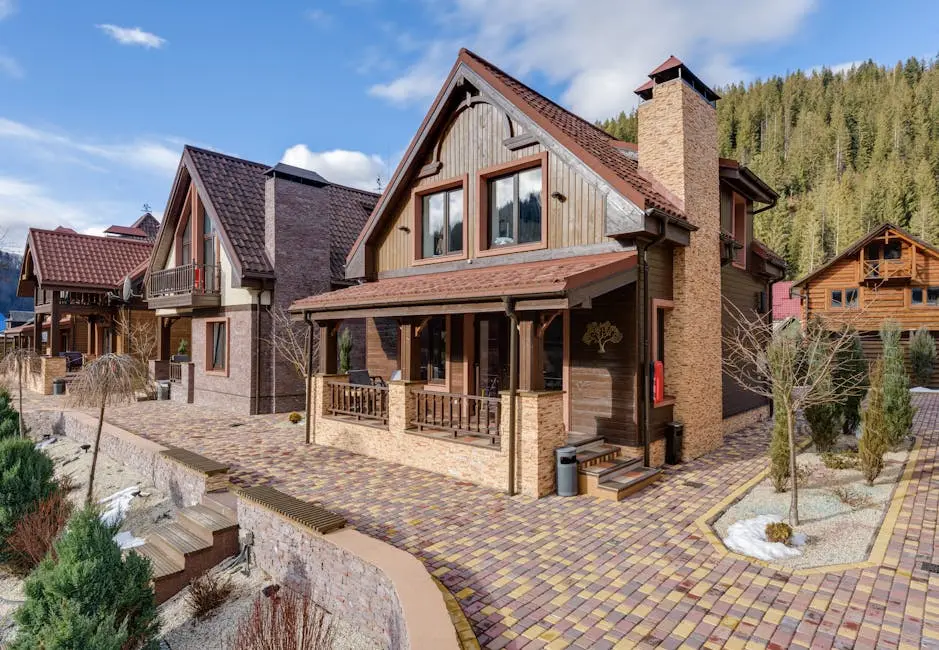
Purchasing a mountain estate can be a dream come true, offering breathtaking views, fresh air, and a serene lifestyle. However, for first-time homeowners, it can also feel overwhelming. This guide will help you navigate the unique challenges and considerations of buying a property in the mountains, ensuring that you find the perfect home for you.
Understanding the Mountain Real Estate Market
Before diving into the home buying process, it’s essential to understand the nuances of the mountain real estate market. This includes knowing the seasonal fluctuations, average home prices, and demand in the area. Mountain properties tend to fluctuate in price depending on the season, attracting different types of buyers throughout the year. For instance, winter may see a spike in interest due to ski lovers, while summer attracts hikers and outdoor enthusiasts. Keeping a pulse on these trends can empower your purchasing decisions.
Furthermore, local market knowledge can often be gleaned from online research, but don’t underestimate the value of speaking with residents and local realtors. They can share insights that you won’t find in any report. At the same time, understanding average days on market for different types of mountain estates can help you gauge how competitive your offers need to be.
Choosing the Right Location
Location is key when it comes to mountain estates. Consider proximity to amenities, outdoor activities, and your daily commute options. The allure of mountain living often lies in its remoteness and peace, yet accessibility is just as important. Imagine living surrounded by nature, with only a winding road leading you home, but ensure that road remains navigable year-round.
Evaluate potential locations based on what is essential for your lifestyle. Are you drawn to ski resorts, or do you prefer close-knit communities with boutiques and dining? A good trick is to spend a few weekends in prospective areas to experience them fully. Explore local hiking trails, visit farmers’ markets, and even chat with locals to get a sense of the community vibe.
Moreover, consider the long-term potential of the location. Is it a hot spot on the rise, or does it feel stagnant? Knowing the future development plans can yield insights into whether your investment will grow in value or not.
Evaluating Property Features
When exploring mountain estates, focus on specific features that can affect your living experience, such as views, access to nature, and seasonal considerations like snow removal. A stunning view can bring immense joy, but be sure it’s not obstructed by future developments. Also, check for easements or neighbors’ plans that may affect your slice of paradise.
Another essential feature to evaluate is the property’s layout. Open floor plans allow for better airflow and viewing angles, particularly in homes with large windows designed to capture the mountain vista. Also consider the usability of outdoor spaces—balconies, decks, and patio areas can transform your living experience, even in unpredictable mountain weather.
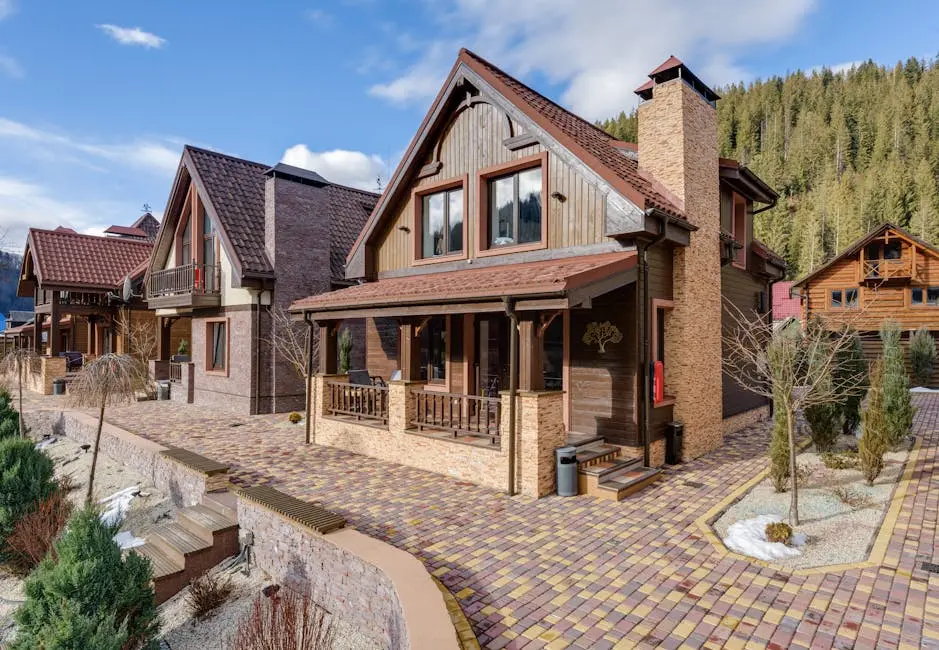
Finally, keep an eye on different construction materials and styles. Log cabins speak to the heart of mountain living but ensure they’re built to withstand local weather conditions. Look for energy-efficient options that will help you save on heating costs in winter while remaining cool in summer. Understanding the balance between aesthetic appeal and practicality is crucial.
Preparing for Unique Financing Options
Financing a mountain estate can be different from traditional homes. Learn about special loans, down payment requirements, and the importance of working with a lender familiar with mountain properties. For many first-time buyers, mortgages can seem overwhelming, but understanding the types available is the first step toward making informed decisions. Governed by different regulations, mountain properties may require more specialized financing options, such as those that utilize unconventional appraisal methods.
Talk to multiple lenders to compare options, focusing particularly on those who understand the unique challenges of mountain homes, including issues related to land stability and seasonal accessibility. Some lenders offer specialized products for vacation homes or second properties, which can be beneficial for buyers looking for a mountain estate that could also serve as a rental income source.
Don’t forget about costs you may not encounter in standard home purchases, such as higher property taxes and insurance rates. Make sure you factor these into your budget from the beginning to avoid surprises when the bills start rolling in.
Working with Local Real Estate Agents
Partnering with a local real estate agent can make all the difference. They will have insider knowledge about listings, market trends, and valuable contacts in the area. An experienced agent can guide you through specifics you might overlook, from the quirks of local zoning laws to knowledge about good school districts, even if you do not have kids. With a plethora of mountain properties available, a good agent helps narrow down your options based on your preferences.
Beyond mere listings, a local real estate expert can provide anecdotal insights that come from years of experience. For example, they can alert you to properties that might be ‘off the market’ just because they aren’t widely advertised or identify potential red flags in properties based on prior feedback from other buyers.
Furthermore, establishing a good rapport with your agent will help ensure a smoother transaction. Open communication can alleviate anxiety and speed up the buying process, making it feel less daunting. A trustworthy agent becomes more than just a facilitator; they can also become your advocate.
Conducting Thorough Inspections
Don’t skip the inspection phase! Mountain homes may have unique challenges, so it’s crucial to have a thorough inspection to avoid costly surprises later on. Consider the landscape and how it might affect your property. Issues like drainage, soil stability, and proximity to natural elements (like trees or wildlife) can all impact the safety and livability of your estate. Also, ensuring that your property adheres to local building codes is essential for long-term stability.
Hire inspectors who specialize in mountain properties. They will know the signs of possible structural issues and are better equipped to identify any red flags related to environmental factors specifically affecting hill-side properties. This can save you a significant amount of heartache in the future, investing in a property only to discover hidden structural flaws.
Finally, ensure that the inspection includes everything from the roof to the basement and any outdoor facilities. Understanding every aspect ensures you can enjoy your new home to the fullest, free from worry or unexpected expenses.
Navigating the Closing Process
The closing process for mountain estates can vary. Understanding what to expect can help streamline the transition from buyer to homeowner. It’s important to be prepared for potential delays due to weather conditions that could affect inspections or appraisals. This isn’t merely about paperwork; it involves witnessing your dream come to fruition—so, awareness and preparation can make a significant difference.
Additionally, during closing, you will need to sign various documents to finalize the purchase, including transfer of ownership and mortgage agreements. Make sure to review these meticulously. Ask your real estate agent or attorney any questions that might arise, ensuring you feel comfortable with each detail.
Finally, don’t forget to budget for closing costs, which can vary depending on the state and the property’s price. Knowing ahead can prevent last-minute financial surprises, helping you to transition comfortably into your beautiful mountain estate.
Embracing Your New Mountain Home
With careful planning and a clear understanding of the mountain estate buying process, you’ll be well on your way to finding your dream home. Embrace the adventure, and enjoy the journey as you settle into your new mountain lifestyle.


