
Investing in mountain property can be an exciting venture, filled with both opportunities and challenges. Whether you’re looking for a vacation home, a rental property, or a piece of paradise to call your own, understanding the nuances of mountain property investment is crucial. In this blog, we’ll explore essential insights to help you navigate the unique landscape of mountain property investment.
1. Understanding the Appeal of Mountain Living
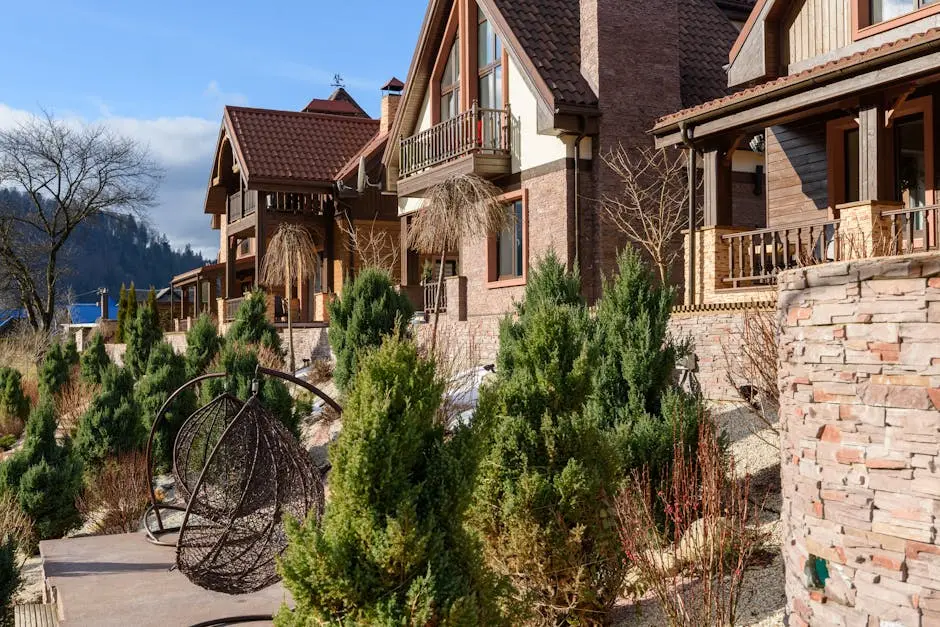
Experience the captivating allure of mountain living and what makes it so desirable among homeowners. There’s a specific charm found in the crisp mountain air and stunning vistas that can transform an ordinary home into a sanctuary. With panoramic views and the chance to engage in outdoor activities year-round, many find that mountain properties offer a lifestyle that is simply unmatched. Whether it’s skiing in the winter or hiking in the summer, the activities available add to the allure.
Additionally, the sense of community in mountain towns can be warm and inviting. This camaraderie among residents often fosters a lifestyle that feels more connected and fulfilling. When you invest in mountain property, you’re not just buying real estate; you’re immersing yourself in a richer, more vibrant way of living. That emotional connection can lead to rewarding experiences and long-lasting memories.
2. Researching the Local Market
Learn how to analyze the local market and understand pricing trends to ensure a wise investment. The first step is to familiarize yourself with recent sales data; it can provide a crucial snapshot of how the market is performing. In mountain areas, this can often vary dramatically from one season to another. Some regions may witness a boom during ski season, while others may thrive in the summer months when hiking and festivals draw visitors.
Engaging with local agents who specialize in mountain properties is also invaluable. They can provide insights on where to look and what to expect in terms of appreciation rates. Don’t forget to consider factors such as tourism trends, which can significantly impact property value. Even locations that seem off the beaten path might become desirable if tourism increases or new recreational facilities are introduced. It’s this kind of foresight that can make or break your investment strategy.
3. Evaluating Seasonal Demand
Discover how seasonal changes affect rental demand and property value in mountainous regions. Many mountain properties see a surge in demand during specific seasons, especially those with access to ski resorts or hiking trails. Understanding this seasonal demand is crucial for investors looking to rent out their properties. A well-placed cabin can generate substantial income during peak times, but remain vacant during the off-seasons if not marketed properly.
To capitalize on this, consider offering off-season activities or events that can draw visitors year-round. For example, promoting mountain biking trails in the summer or cozy fall retreats can help keep occupancy rates up even when snow isn’t on the ground. This adaptability can significantly enhance your investment’s viability.
4. Choosing the Right Location
Find out why location is everything and what to consider when selecting the perfect spot for your mountain property. Factors to keep in mind include proximity to key attractions like national parks, ski resorts, and local towns. A well-located property can command higher rental rates and offer better appreciation potential. Areas that balance seclusion with accessibility tend to attract a wider demographic of buyers and renters alike.
It’s also pivotal to assess the climate of the region. Some areas may receive heavy snowfall, while others might be prone to wildfires or floods. Researching past natural events and understanding the geography can help you make a more informed decision. Don’t be afraid to visit potential neighborhoods several times, at different times of the year, to get a genuine feel for what life might be like there.
5. Understanding Property Taxes and Regulations
Get familiar with the specific taxes and regulations that may impact your investment in mountain properties. Many mountain regions are subject to unique tax structures that differ from urban properties. This can include higher property taxes, or additional fees related to managing or developing land in environmentally sensitive areas. It’s essential to have a clear understanding of valuation methods and local ordinances, as they directly influence your long-term investment.
Consulting with a local tax advisor can provide clarity on what you can expect. They’ll help you understand not only your tax obligations but also any potential deductions you might qualify for, like vacation rental tax incentives. Balancing these costs against potential income is vital for determining the overall profitability of your investment.
6. The Importance of Access to Amenities
Learn how proximity to amenities can enhance the appeal and rental potential of mountain properties. Accessibility to grocery stores, restaurants, and recreational activities can considerably impact not only your enjoyment but also your property’s attractiveness to renters. A home that sits isolated from essential services or entertainment options may deter potential buyers or guests, limiting your market appeal and overall returns.
Moreover, having activities nearby can elevate the value of your property. Think about investing in areas with growing infrastructures, such as new ski lifts or planned hiking trails. These developments can significantly increase property values over time. Furthermore, the presence of amenities can also foster a sense of community and interaction among residents, enhancing their experience and usefulness of the property.
7. Inspections and Assessments
Understand why thorough property inspections are vital to avoid costly surprises down the road. Mountain properties can face unique challenges such as wear from snow and ice, or issues related to soil stability and erosion. Consequently, having a comprehensive inspection performed by professionals experienced in mountain properties is crucial. This can help identify potential problems like structural integrity, water drainage, and pest infestations before you finalize your purchase.
In addition to standard inspections, some investors may also consider specialized assessments, like geological surveys or environmental impact studies. While these can add to initial costs, they may save you thousands in unexpected repairs or renovations later on. A little due diligence in this area can provide peace of mind and ensure that your investment is as solid as the mountains themselves.
8. Evaluating Property Conditions
Explore the unique aspects of mountain properties that can affect their conditions and longevity. Due to environmental factors like altitude, moisture, and temperature fluctuations, mountain homes can experience wear and tear more quickly than those in milder climates. Regular maintenance is crucial and should include evaluating roofs, insulation, and foundations for any signs of damage or needed repairs.
Taking the time to assess water drainage systems is also vital; improper drainage can lead to serious issues like flooding or erosion. Furthermore, landscaping plays a significant role in maintaining property value—it’s not only about aesthetics, but also about the health of your property. By investing in proper landscaping, you can protect your investment from the elements while enhancing its natural beauty.
9. Financing Your Mountain Property
Discover financing options specifically suited for mountain property investments. Many people assume that purchasing a mountain home follows the same path as a traditional real estate transaction, but there are multiple factors that come into play. For instance, lenders may have different requirements for properties located in remote areas. Understanding the landscape of financing options available, including conventional loans, USDA loans for rural properties, or even renovation loans for fixer-uppers, can help you choose the best path for your situation.
Comparing rates and terms among lenders is also key. It’s a good idea to consult with lenders who specialize in mountain properties—they often understand the nuances better and can offer competitive rates. Being prepared with a solid financial plan and the necessary documentation can smooth the way towards securing financing that meets your needs.
10. Insurance Needs for Mountain Properties
Learn about the types of insurance necessary to protect your mountain investment from natural elements. Investing in mountain property often requires special considerations regarding insurance. For instance, homeowners in mountainous regions may need additional coverage for floods, mudslides, or wildfires, depending on the specific location and risk factors.
It’s essential to consult with an insurance agent who understands the unique challenges of mountain properties. They can help tailor a package that provides adequate protection against potential risks while considering the property’s specific attributes. By ensuring you have the right coverage, you can safeguard your investment and enjoy peace of mind as you embark on this exciting venture.
11. Potential for Rental Income
Examine how to leverage your mountain property for rental income and what to consider when renting. The allure of mountain escapades attracts a steady stream of visitors, creating an ideal environment for rental income opportunities. If well-managed, your mountain home can provide significant cash flow, especially during peak rental seasons.
However, successful short-term rentals often require a hands-on approach—staying on top of your marketing, pricing, and customer service can significantly impact your success. Familiarizing yourself with platforms like Airbnb or Vrbo is a smart move, as they offer a streamlined way to connect with potential guests. Ensure your property is presented beautifully and that you showcase its unique features, from breathtaking views to cozy fireplaces, to attract visitors and maximize your rental potential.
12. The Role of Property Management
Find out how property management can help maintain and enhance the profitability of your investment. For those who prefer not to handle the day-to-day aspects of managing their mountain property, hiring a property manager can be a wise choice. Property managers handle everything from marketing your rental, coordinating bookings, to managing maintenance and repairs. Their expertise can alleviate much of the stress associated with property ownership.
Plus, a good property manager can provide insights into the local market, ensuring competitive pricing and occupancy rates. While there is a cost associated with hiring property management, the potential return on investment often outweighs these expenses. It can also grant you the freedom to enjoy your mountain escape without the burden of constant oversight.
13. Landscaping and Outdoor Considerations
Understand how the natural landscape impacts property maintenance and curb appeal. The surroundings of your mountain property can significantly influence not only its aesthetics but also the maintenance required. Consideration should be given to natural features like trees, rocks, and slopes when planning your landscaping, as these can be both beautiful and challenging to manage.
Focusing on native plants not only ensures longevity but can also provide an eco-friendly approach. These plants often require less water and maintenance, allowing you to cultivate a stunning outdoor environment while respecting the natural ecosystem. Creating pathways or outdoor living areas that blend seamlessly with the natural scenery can enhance your property’s appeal and encourage outdoor enjoyment.
14. Maintaining Value in a Changing Market
Learn strategies for keeping your property’s value stable in an ever-evolving real estate market. With mountain properties, fluctuations in market value can occur due to factors such as changes in tourism patterns or shifts in buyer demographics. Staying informed about local trends, potential developments, and community initiatives helps ensure you know when to adjust your investment strategy.
Regular maintenance and enhancements to your property, such as modern updates or energy-efficient features, can help retain value over time. Additionally, engaging with local real estate professionals can provide insight into emerging trends and opportunities that may fortify your investment against downturns.
15. The Long-Term Vision for Your Investment
Reflect on the importance of having a long-term strategy for your mountain property investment. Property investment is not merely a short-term venture; it’s about creating lasting value and building wealth over time. Having a clear vision for the future—whether that involves increasing rental income, developing property, or eventually selling at a profit—will guide your decision-making process.
Additionally, nurturing your connection to the land and local community can enhance your experience, helping you feel more settled and invested in the area. By fostering relationships with neighbors and participating in local activities, you’ll build a sense of belonging, which can be incredibly rewarding as you navigate your mountain property journey.